

Intermittent fasting has gained popularity for weight management and metabolic health, but the approach becomes more complex when thyroid health is involved. For people with fatigue, weight changes or fluctuating thyroid levels, the question often arises: “Is intermittent fasting safe for thyroid patients?”
The answer depends on individual health factors. While some patients may tolerate structured fasting with proper planning, others may experience fatigue, nutrient deficiencies or medication-related challenges. Understanding how fasting affects thyroid function can help you make an informed choice.
Is Intermittent Fasting Safe If You Have Thyroid Disease?
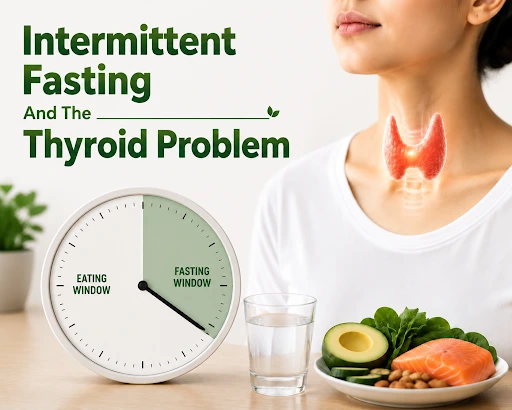
It depends. Intermittent fasting is not suitable for everyone with thyroid disease. Its safety depends on your thyroid condition, medication routine, nutritional intake and overall health. Since the thyroid regulates metabolism, energy and weight management, consider these factors before starting fasting:
| Factor | Why It Matters |
| Thyroid condition | Hypothyroidism and hyperthyroidism affect metabolism differently |
| TSH, T3 and T4 levels | Uncontrolled levels may require stabilisation first |
| Medication timing | Fasting can affect how thyroid medicines are taken |
| Nutrient intake | Restricted eating windows should still provide enough protein, vitamins and minerals |
| Other health conditions | Diabetes, PCOS, pregnancy or anaemia may require additional care |
A moderate fasting routine may help some people manage eating patterns, but is it the right choice for you? The key is not “How long can I fast?” but “Can I meet my body’s nutritional needs within my eating window?” Fasting should complement, not replace, a balanced thyroid-friendly diet and prescribed treatment.
How Does Fasting Affect Thyroid Hormones?
The thyroid and metabolism are closely connected, which is why changes in food intake can influence thyroid hormone activity. During fasting, reduced energy availability may signal the body to conserve energy by adapting hormone levels. Research suggests that prolonged fasting or very low-calorie intake can affect the markers, highlighting the need for a balanced approach.
What Happens to TSH, T3, and T4 During Fasting?
To understand the connection between fasting and thyroid health, it is important to understand the role of these hormones.
| Hormone | Function |
| TSH (Thyroid Stimulating Hormone) | Signals the thyroid gland to produce hormones |
| T4 (Thyroxine) | The main hormone produced by the thyroid gland |
| T3 (Triiodothyronine) | An active hormone involved in metabolism and energy use |
During fasting, the body may reduce T4-to-T3 conversion as an energy-saving response. A review of extended fasting found that a 24-hour fast may lower FT3 by approximately 6% and increase reverse T3 by approximately 16% in healthy individuals. This does not mean fasting damages thyroid function, but it highlights why extreme fasting may not suit patients, especially those with fatigue or slow metabolism.
Why Longer Fasts Can Be Riskier Than Short Ones
Because weight management can be challenging with hypothyroidism, some people explore fasting. A thyroid-friendly fasting plan should focus on:
- Low energy and tiredness
- Difficulty meeting protein requirements
- Increased cravings
- Reduced concentration
- Mood changes
- Nutritional deficiencies
A balanced fasting approach should focus on:
- Adequate calories
- Sufficient protein
- Fibre-rich foods
- Micronutrient intake
- Consistent medication timing
Fasting should support metabolic health, not create additional stress on the body.
Is Intermittent Fasting Different for Hypothyroidism vs. Hyperthyroidism?
Thyroid disorders affect metabolism in opposite ways. Therefore, the fasting approach may differ as well. The suitability of intermittent fasting for hypothyroidism and intermittent fasting for hyperthyroidism depends on whether the gland is underactive or overactive.
Fasting and an Underactive Thyroid (Hypothyroidism)
Hypothyroidism occurs when the thyroid gland produces fewer hormones, slowing metabolism and causing symptoms such as:
- Weight gain
- Fatigue
- Constipation
- Feeling cold frequently
- Slow metabolism
- Difficulty losing weight
Because weight management can be challenging with hypothyroidism, some people explore fasting. A thyroid-friendly fasting plan should focus on:
Adequate Protein Intake
Good protein sources include:
- Dal
- Paneer
- Eggs
- Fish
- Chicken
- Soy
- Curd
Nutrient-Dense Meals
The eating window should include foods rich in:
- Iron
- Selenium
- Zinc
- Iodine
- Vitamin D
Stable Medication Routine
People taking thyroid medication need to maintain consistency because food timing can affect medicine absorption.
Fasting and an Overactive Thyroid (Hyperthyroidism)
Hyperthyroidism occurs when the thyroid gland produces excess hormones, speeding up metabolism. Common symptoms include:
- Unintentional weight loss
- Increased appetite
- Fast heartbeat
- Anxiety
- Excess sweating
- Muscle weakness
For people considering intermittent fasting with hyperthyroidism, extra caution is required. They may need a nutrition approach focused on:
- Maintaining a healthy weight
- Preventing muscle loss
- Meeting higher energy needs
- Supporting recovery
Is Intermittent Fasting Safe for Hashimoto’s or Autoimmune Thyroid Disease?
For people with Hashimoto’s thyroiditis, intermittent fasting is a common concern, especially for managing weight gain, inflammation and energy levels. Current evidence does not show that fasting can cure Hashimoto’s or reduce thyroid antibodies, but some may benefit from structured eating patterns when combined with balanced nutrition and proper support.
A supportive approach should include:
- Adequate protein intake
- Sufficient calories
- Anti-inflammatory food choices
- Good gut health
- Correct medication timing
- Regular monitoring of levels
You can also explore gut health and digestion support because digestive health, nutrient absorption and overall metabolism can influence how you feel while managing thyroid concerns.
What Are the Risks of Intermittent Fasting for Thyroid Patients?
While intermittent fasting may work for some people, thyroid patients should understand the potential side effects on thyroid health before starting.
Fatigue and Low Energy
Fatigue is already a common symptom of thyroid disorders, especially hypothyroidism. A long fasting window may sometimes worsen:
- Low energy levels
- Difficulty concentrating
- Weakness
- Reduced workout performance
If you are fasting, ensure your eating window includes:
- Protein-rich foods
- Complex carbohydrates
- Healthy fats
- Essential vitamins and minerals
Blood Sugar Drops
Long gaps between meals may cause blood sugar fluctuations in some individuals. This can lead to symptoms such as:
- Shakiness
- Irritability
- Sudden hunger
- Dizziness
- Headache
People with diabetes, insulin resistance or those taking blood sugar-related medication should be especially cautious before trying fasting.
Medication Absorption Issues
Levothyroxine, a commonly prescribed medicine, is usually taken on an empty stomach, as certain foods and supplements can affect its absorption. Therefore, fasting should be planned around your medication schedule, not the other way around.
How Should Thyroid Medication Timing Work Around Fasting?
Thyroid medication timing during intermittent fasting is an important consideration for anyone taking thyroid medicines. Common recommendations include:
| Situation | What to Consider |
| Morning fasting | Medication timing may fit naturally before the eating window |
| Evening fasting | Ensure medication is still taken according to medical advice |
| Supplements | Maintain a gap between medicine and calcium/iron supplements |
Always follow your doctor’s instructions because medication timing can vary depending on your condition and prescription.
What’s the Safest Fasting Window for Thyroid Patients?

There is no single best fasting window for thyroid patients because everyone’s nutritional needs are different.
A practical approach may include:
| Fasting Pattern | Duration | Consideration |
| 12:12 | 12-hour fasting, 12-hour eating window | Usually easier for beginners |
| 14:10 | Moderate fasting window | May suit some individuals with proper nutrition |
| 16:8 | Longer fasting window | Requires careful planning, especially with thyroid issues |
| Extended fasting | More than 24 hours | Generally not recommended without professional supervision |
A safer approach is to begin with a manageable eating pattern and observe:
- Energy levels
- Hunger patterns
- Symptoms
- Weight changes
- Medication routine
Ditch internet trends. Consult a dietitian about thyroid health, and consider personalised diet packages based on your condition.
Can Thyroid Patients Do Intermittent Fasting for Weight Loss?
The answer is yes; some thyroid patients may be able to include fasting as part of a weight management strategy, but it should not be considered a treatment. You can explore a thyroid-friendly weight management plan designed around your health goals.
When Should You Consult a Dietitian Before Starting Intermittent Fasting?

A dietitian in Kolkata for thyroid can help you create a balanced thyroid diet plan around your medication, lifestyle and health goals. Consult support if you:
- Have uncontrolled TSH levels
- Recently changed thyroid medication
- Experience severe fatigue
- Are pregnant or breastfeeding
- Have a history of eating disorders
- Struggle to meet protein or nutrient requirements
And if you have diabetes or PCOS, a certified dietitian acts as a diabetes educator to help you with personalised nutrition strategies that support your wellbeing.
Making the Right Choice for Your Thyroid Health
Intermittent fasting, along with maintaining good thyroid health, is possible with the right approach, depending on your thyroid condition, medication routine, nutritional needs and overall health. A personalised approach with the right thyroid diet can help overcome any complications.
For any guidance, you can book a consultation with an expert thyroid dietitian in Kolkata.
Call now!
People Also Ask
1) Does intermittent fasting worsen thyroid antibodies?
There is no strong evidence that intermittent fasting worsens thyroid antibodies, but extreme calorie restriction may affect overall health.
2) What is the best fasting window for thyroid patients — 12:12 or 16:8?
A 12:12 fasting pattern may be easier for many beginners. A longer 16:8 window may not suit everyone and should depend on energy needs and thyroid stability.
3) Is it okay to take my thyroid medication during my fasting window?
Thyroid medication is often taken on an empty stomach, but timing should follow your doctor’s advice and remain consistent.
4) Does fasting lower TSH levels?
Fasting may influence thyroid markers, but it is not a guaranteed method to lower TSH. Thyroid levels should be managed through appropriate treatment and lifestyle changes.
5) Can fasting cause hair loss or fatigue in thyroid patients?
Poorly planned fasting with inadequate calories, protein or nutrients may worsen fatigue and contribute to hair-related concerns.
6) How often should thyroid patients get TSH tested while fasting?
Testing frequency depends on thyroid stability and changes in medication. Follow your healthcare provider’s recommended schedule.