

Craving ice like candy, chocolate like therapy, or salty chips like an emergency snack?
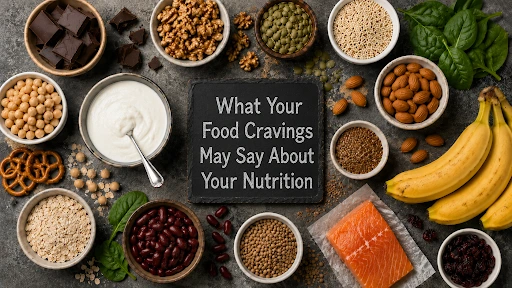
Food cravings can sometimes point towards nutritional deficiencies, especially when they happen repeatedly. While every craving is not a health warning, repeated cravings with fatigue, weakness, cramps, dizziness, or hair fall deserve attention.
This blog will help you understand the possible causes of cravings and the nutrient deficiency linked to them.
1. Ice Cravings
A constant urge to chew ice may be linked with iron deficiency. This condition is known as pagophagia. It becomes more concerning when it comes with fatigue, pale skin, dizziness, breathlessness, cold hands, or weakness.
Iron helps the body make healthy red blood cells and carry oxygen. Low iron levels can affect energy, focus, stamina, and overall strength.
Useful iron-rich foods include :
- Lentils,
- Spinach,
- Beans,
- Eggs,
- Fish,
- Chicken,
- Dates, and
- Lean meat
The right guidance from Dt. Uma Bajoria, a dietician in Kolkata, can help identify nutrient gaps and improve daily nutrition habits.
2. Chocolate Cravings
A sudden need for chocolate is not always just about taste. In some cases, craving chocolate and magnesium deficiency may be connected because cocoa contains magnesium, which helps with muscle health, mood, energy, and sleep.
However, chocolate cravings are not always caused by low magnesium.
They may also happen due to:
- Stress
- Poor sleep
- PMS
- Mood swings
- Low energy
- Irregular meals
Better food alternatives include:
- Pumpkin seeds
- Almonds or cashews
- Banana with peanut butter
- Dark chocolate in moderation
- Oats with nuts and seeds
3. Salty Food Cravings
Craving chips, pickles, namkeen, papad, or fries may happen due to dehydration, sweating, electrolyte loss, or poor fluid intake.
This craving may also increase after:
- Vomiting
- Diarrhoea
- Intense workouts
- Heavy sweating
- Hot weather
- Low water intake
- Electrolyte loss
Instead of packaged salty snacks, choose:
- Coconut water,
- Lemon water,
- Curd,
- Homemade chaas,
- Banana,
- Fruits,
- Dal-rice, or
- Roasted chana.
4. Red Meat Cravings
A strong craving for red meat may sometimes point towards low iron, vitamin B12, zinc, or protein intake. Red meat contains heme iron, which is easily absorbed by the body, making it a common food choice when the body needs iron support.
Signs to watch out for:
- Tiredness
- Hair fall
- Poor concentration
- Mouth ulcers
- Numbness
- Weakness
- Low stamina
If red meat is not part of the diet, other foods include
- Eggs,
- Fish,
- Chicken,
- Lentils,
- Chickpeas,
- Soy,
- Paneer,
- Curd
5. Dairy or Cheese Cravings
Craving milk, paneer, cheese, curd, or creamy dairy foods may sometimes point towards low calcium, vitamin D, protein, or healthy fat intake. These nutrients help support bones, muscles, teeth, nerves, and hormone function.
This craving may need attention if it comes with:
- Muscle cramps
- Brittle nails
- Bone pain
- Back pain
- Frequent fatigue
- Weakness
Useful food options include:
- Milk
- Curd
- Paneer
- Ragi
- Sesame seeds
- Almonds
- Tofu
- Leafy greens
6. Sugar Cravings
Sugar cravings are very common and are not always linked with a vitamin deficiency. They are more often caused by blood sugar dips, skipped meals, stress, poor sleep, low fibre intake, or low protein intake.
Common reasons may include:
- Long gaps between meals
- Low-protein meals
- Too many refined carbohydrates
- Poor sleep
- Stress
- Low fibre intake
- Irregular eating habits
Better food options include:
- Dal-rice with vegetables
- Curd with seeds
- Eggs with toast
- Sprouts
- Nuts
- Fruits
- Oats
- Whole grains
7. Citrus or Sour Food Cravings
Craving lemon, amla, oranges, guava, raw mango, or tangy foods may sometimes suggest low vitamin C intake. Vitamin C supports immunity, gum health, skin repair, wound healing, and iron absorption.
This craving may need attention if it comes with:
- Bleeding gums
- Slow wound healing
- Frequent infections
- Dull skin
- Fatigue
- Weak immunity
Good vitamin C-rich options include:
- Amla
- Guava
- Lemon
- Orange
- Capsicum
- Tomato
- Papaya
- Green vegetables
8. Oily Food Cravings
Craving fried snacks, butter-rich foods, rolls, fries, chips, or creamy dishes may happen when meals are too low in calories, healthy fats, or overall satisfaction. Stress and emotional eating can also make oily food cravings stronger.
Common reasons may include:
- Low-calorie meals
- Lack of healthy fats
- Emotional eating
- Stress
- Poor meal satisfaction
- Frequent fried food habits
Better fat sources include:
- Nuts
- Seeds
- Eggs
- Fish
- Mustard oil
- Groundnut oil
- Olive oil
- Homemade meals with controlled oil
9. Tea or Coffee Cravings
A repeated urge for tea or coffee may not always be about taste. Sometimes, it happens when the body is low on energy due to poor sleep, skipped meals, low iron, low vitamin B12, or low protein intake. Caffeine gives a quick energy lift, but the effect is temporary.
This craving may need attention if it comes with:
- Constant tiredness
- Poor focus
- Headaches
- Low stamina
- Dizziness
- Irritability
- Sleep disturbance
Better options include:
- Balanced breakfast
- Nuts and fruits
- Eggs or paneer
- Dal, chana, or sprouts
- Curd with seeds
- Lemon water
- Enough plain water
10. Crunchy Food Cravings
Craving chips, crackers, fried snacks, papad, toast, or hard crunchy foods may be linked with stress, boredom, low meal satisfaction, or sensory comfort. In some cases, craving hard items like ice may also overlap with iron deficiency.
Common reasons may include:
- Stress
- Boredom
- Low meal satisfaction
- Poor hydration
- Low protein intake
- Low fibre intake
- Habit-based snacking
Better crunchy options include:
- Roasted chana
- Makhana
- Peanuts
- Seeds
- Cucumber sticks
- Carrot sticks
- Sprouts
- Homemade popcorn
How to Understand Repeated Food Cravings
Repeated cravings should not be treated as just mood swings or random hunger. They may be linked with poor meal timing, low protein intake, dehydration, stress, poor sleep, or nutrient gaps.
The smart approach is to look at the full pattern. Ask yourself:
- Is the craving happening every day?
- Does it come with fatigue or weakness?
- Are there signs like hair fall, cramps, dizziness, or poor focus?
- Are meals low in protein, fibre, or healthy fats?
- Is there a long gap between meals?
Cravings Reveal Nutrition Gaps
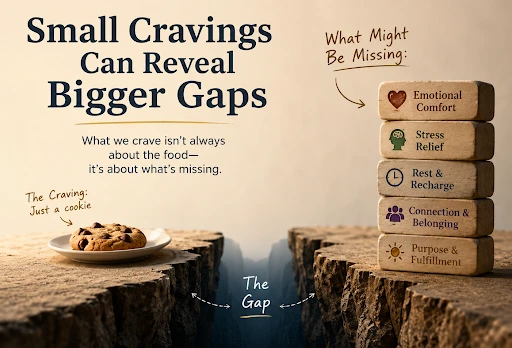
A craving may look harmless, but when it keeps returning, it deserves attention. Frequent cravings can sometimes point towards missing nutrients, unstable blood sugar, low hydration, or poor meal planning. If they come with tiredness, weakness, hair fall, cramps, or low stamina, testing and diet correction may help.
Consult Dt. Uma Bajoria, a dietitian in Kolkata, for a personalised meal plan that supports your health needs.
Call +9830614147 to book an appointment today.
People Also Ask
1. Why do food cravings keep coming back even after eating?
Food cravings may keep returning when meals do not provide enough protein, fibre, healthy fats, or complex carbohydrates. Poor sleep, stress, dehydration, irregular meal timing, and blood sugar fluctuations can also make cravings more frequent.
2. Can repeated food cravings indicate nutritional deficiencies?
Repeated food cravings can sometimes indicate nutritional deficiencies such as low iron, magnesium, calcium, vitamin C, vitamin B12, or protein. However, cravings alone cannot confirm a deficiency and should be checked along with symptoms and proper tests.
3. What should be eaten during frequent sweet, salty, or chocolate cravings?
During frequent cravings, balanced foods such as fruits, nuts, curd, seeds, roasted chana, whole grains, coconut water, and protein-rich meals are better choices. These foods support energy, hydration, minerals, fibre, and fullness without depending on packaged snacks.
4. Which food cravings should not be ignored with fatigue or weakness?
Cravings for ice, non-food items, red meat, salt, or excessive caffeine should not be ignored when they occur with fatigue or weakness. These cravings may sometimes be linked with low iron, vitamin B12, dehydration, electrolyte imbalance, or other health concerns.
5. How can a dietitian help find the real cause of food cravings?
A dietitian can assess meal patterns, nutrient intake, symptoms, lifestyle habits, hydration, and possible deficiencies to understand the cause of cravings. Based on this, they can suggest a personalised diet plan and guide whether blood tests are needed.