

Living with hypothyroidism can feel like a constant battle with your energy levels and weight. The fatigue, weight gain, and mood swings can often make you feel like you're not in control of your own body.
What if the secret to feeling better with hypothyroidism is hiding in your diet?
This blog will guide you through the foods that support thyroid health and help you take charge of your symptoms.
What is Hypothyroidism?
Hypothyroidism, or an underactive thyroid, occurs when the thyroid gland does not produce enough thyroid hormone, leading to symptoms such as fatigue, weight gain, and a slowed metabolism. This condition affects many aspects of your health, including energy levels, body temperature, and even cognitive function.
Why Is a Hypothyroidism Diet Important for Your Health?
Managing hypothyroidism is more than just taking medication — diet plays a crucial role in managing symptoms and supporting your thyroid. A well-planned diet helps maintain energy levels, regulate metabolism, and address some of the symptoms associated with hypothyroidism, such as weight gain, bloating, and digestive issues.
What Should You Include in Your Hypothyroidism Diet Plan?
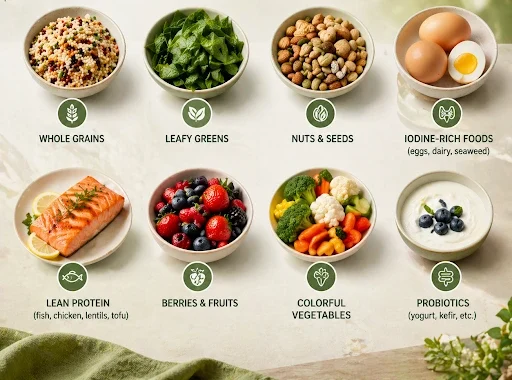
If you want to manage your hypothyroidism effectively, focusing on nutrient-dense foods can make a world of difference.
Here’s a breakdown of what to include in your diet:
1. High-Fibre Foods
Fibre-rich foods such as leafy greens, whole grains, legumes, and vegetables are essential. Fibre not only supports a healthy digestive system but also helps in maintaining bowel regularity, which can be affected by hypothyroidism. Foods like spinach, kale, and beans help support thyroid health and boost metabolism.
2. Lean Proteins
Incorporating lean proteins such as chicken, turkey, fish, and tofu provides the body with the amino acids needed for thyroid hormone production. Protein also helps in boosting metabolism, which can often be sluggish in individuals with hypothyroidism.
3. Thyroid-Boosting Nutrients: Selenium, Iodine, and Zinc
For optimal thyroid function, it's essential to include foods rich in selenium, iodine, and zinc. These nutrients play vital roles in thyroid hormone production and conversion:
- Selenium: Found in Brazil nuts, sunflower seeds, and fish, selenium supports the conversion of T4 to the active thyroid hormone T3.
- Iodine: The thyroid needs iodine to produce thyroid hormones. Foods like seaweed, iodised salt, and fish are excellent sources.
- Zinc: Foods such as pumpkin seeds, nuts, and chickpeas provide zinc, which helps in thyroid hormone synthesis and immune system support.
4. Healthy Fats
Fats are often misunderstood, but healthy fats can actually aid in managing hypothyroidism. Foods like avocados, olive oil, and nuts contain omega-3 fatty acids that help reduce inflammation and support thyroid function. These healthy fats also support your skin's health, another area often affected by thyroid issues.
Sample Hypothyroidism Meal Plan for the Week
This simple 3-day meal plan is designed to boost metabolism, support thyroid health, and help manage hypothyroidism:
| Meal | Day 1 | Day 2 | Day 3 |
| Breakfast | Scrambled eggs with spinach and avocado | Oatmeal with chia seeds and berries | Whole-grain toast with avocado and eggs |
| Lunch | Grilled chicken with quinoa and mixed vegetables | Salad with chickpeas, pumpkin seeds, and olive oil dressing | Fish curry with brown rice |
| Dinner | Baked salmon with roasted sweet potatoes and broccoli | Tofu stir-fry with vegetables | Vegetable soup with lentils and whole-grain crackers |
| Snacks | Apple with a handful of almonds | Greek yoghurt with flaxseeds | A banana with peanut butter |
What Foods Should You Avoid in Your Hypothyroidism Diet?
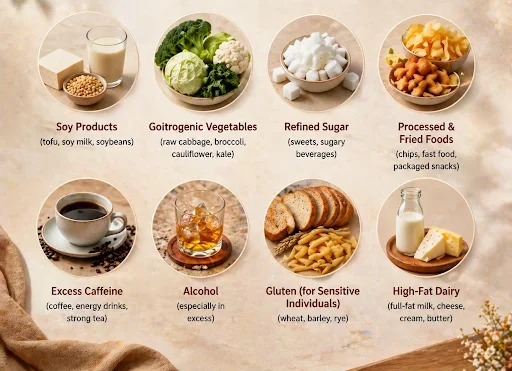
While certain foods can support thyroid health, others can hinder its function. Here’s what to avoid:
1. Goitrogenic Foods
Goitrogens are compounds that can interfere with iodine uptake in the thyroid. While these foods can be beneficial when cooked, consuming them in excess or raw can contribute to thyroid problems. Some common goitrogenic foods include:
- Cruciferous vegetables: Broccoli, cauliflower, cabbage, kale (best to consume them cooked).
- Soy products: Tofu, soy milk, and soybeans contain isoflavones, which can affect thyroid function if consumed in large amounts.
- Peanuts: Another source of goitrogens, which should be limited in your diet.
2. Processed Foods
Processed foods, especially those high in sugars and unhealthy fats, can increase inflammation in the body. This inflammation can further stress the thyroid, making it harder to manage hypothyroidism. Try to avoid packaged snacks, sugary cereals, fast food and caffeine.
3. Gluten
For individuals with Hashimoto’s thyroiditis (an autoimmune form of hypothyroidism), a gluten-free diet may help reduce inflammation. If you're experiencing symptoms of hypothyroidism, it may be worth experimenting with a gluten-free diet to see if it improves your thyroid function.
For personalised guidance on managing hypothyroidism with diet, consult Dt. Uma Bajoria, a trusted thyroid dietitian in Kolkata. She can help create a diet plan personalised to your specific needs and thyroid health.
How Does Diet Affect Thyroid Hormone Levels?
| Nutrient | Role in Thyroid Function | Sources |
| Selenium | Supports the conversion of T4 (inactive) to T3 (active) thyroid hormone. | Brazil nuts, sunflower seeds, fish, eggs |
| Zinc | Essential for thyroid hormone production and immune function. | Pumpkin seeds, chickpeas, nuts, shellfish |
| Iodine | Required for thyroid hormone production. | Seaweed, iodised salt, fish, dairy |
Boost Your Thyroid Health with These Lifestyle Changes
In addition to the foods you should include and avoid, other habits and lifestyle changes can help manage hypothyroidism:
- Regular Exercise: Engage in low-impact activities such as walking, swimming, or yoga. Exercise helps boost metabolism and energy levels, which are commonly low in hypothyroidism.
- Hydration: Drink plenty of water throughout the day to support metabolic processes.
- Stress Management: Chronic stress can worsen hypothyroidism symptoms. Practices like meditation, deep breathing, and mindfulness can help manage stress.
Managing Hypothyroidism with a Diet that Works
To manage hypothyroidism, the right diet can make a significant difference. A focus on thyroid-boosting nutrients like selenium, iodine, and zinc can help improve thyroid function. Including high-fibre foods, lean proteins, and anti-inflammatory fats while avoiding gluten and goitrogenic foods can help manage symptoms, regulate metabolism, and support overall thyroid health.
If hypothyroidism is affecting your health, a personalised diet plan can help. Consult Dt. Uma Bajoria, a thyroid dietitian in Kolkata, and begin your journey to better health today.
Contact at 9830614147 to schedule an appointment today.
People Also Ask
1. Can hypothyroidism be reversed with diet?
While hypothyroidism cannot be reversed, a balanced diet rich in iodine, selenium, and zinc can help manage symptoms and improve thyroid function.
2. Is a gluten-free diet good for hypothyroidism?
For individuals with Hashimoto’s thyroiditis, a gluten-free diet may help reduce inflammation and support thyroid health.
3. What should be eaten for energy with hypothyroidism?
To boost energy levels, focus on protein-rich foods, fibre, and healthy fats such as avocados and nuts in meals. These nutrients support metabolism and help maintain consistent energy throughout the day.
4. Can hypothyroidism cause weight gain?
Yes, hypothyroidism can cause weight gain due to a slow metabolism. A thyroid-friendly diet, including lean proteins and fibre, can help regulate weight.
5. How long does it take to see results from a hypothyroidism diet?
It may take several weeks to months to notice improvements in energy levels and weight management. This helps set realistic expectations while encouraging consistency.