
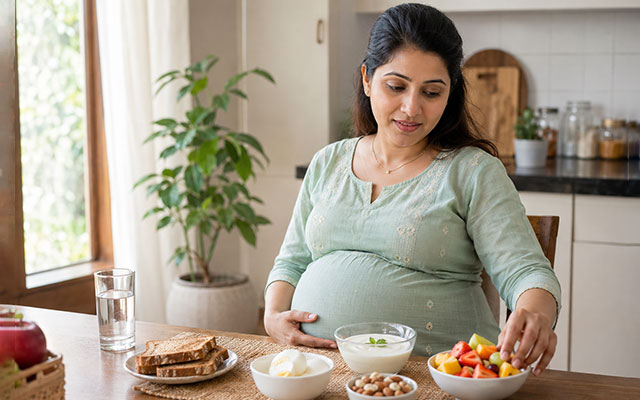
You finish your meal, but your stomach craves food again soon after. This hunger can feel confusing when you’re trying to follow the right diet while expecting. Many expectant moms wonder, “Is it normal to be hungry all the time during pregnancy?” The answer is usually yes. When you’re expecting, your hormones, metabolism, and nutritional needs change, which can alter your hunger patterns.
An expert dietitian can help you understand these changes and better manage your appetite through the right pregnancy diet. In this blog, we have shared every detail about pregnancy cravings and how to manage them effectively.
Is It Normal to Feel Hungry All the Time During Pregnancy?
Yes, feeling hungrier than usual when you’re pregnant is normal. An increased appetite during pregnancy often happens because your body is working harder to support your baby’s growth, placenta development and changing nutritional needs.
However, pregnancy does not mean you need to “eat for two”. Your body needs more nutrients, not twice as much food.
Check out this pregnancy calorie intake table to know your requirement better:
| Pregnancy Stage | Approximate Additional Calories Needed |
| First trimester | Usually, no extra calories are required |
| Second trimester | Around 340 additional calories/day |
| Third trimester | Around 450 additional calories/day |
These extra calories should come from nutrient-rich foods that provide protein, fibre, vitamins and minerals rather than only sugary or processed foods.
For Indian mothers, this is especially important because nutritional deficiencies like anaemia remain common. According to a source, around 57% of women aged 15–49 years in India are anaemic, making balanced pregnancy nutrition even more important.
What Causes Increased Hunger During Pregnancy?
An increased appetite during pregnancy is linked to hormonal and physical changes as your baby grows. Your body adapts through increased blood volume and metabolism to support a healthy pregnancy.
1) Hormonal Changes
Pregnancy hormones play an important role in changing hunger signals. Hormones such as estrogen and progesterone increase significantly during pregnancy. These changes can influence:
- Hunger and fullness signals
- Food preferences
- Digestion
- Cravings
This is why some women suddenly feel hungry more often, while others develop strong preferences for certain foods.
2) Your Baby’s Growing Nutritional Needs
During pregnancy, your body supports the growth of the placenta, the uterus, and the developing baby. As pregnancy progresses, your need for certain nutrients increases, making a balanced and varied diet especially important.
Some important nutrients required during pregnancy include:
| Nutrient | Why It Matters | Food Sources |
| Protein | Supports the baby’s growth and the development and repair of body tissues | Dal, beans, chickpeas, soybeans, paneer, curd, eggs, fish and chicken |
| Iron | Helps form haemoglobin and supports oxygen transport to the mother and baby | Green leafy vegetables, lentils, chickpeas, beans, sesame seeds, fortified cereals, eggs, fish, chicken and lean meat |
| Calcium | Supports the development of the baby’s bones and teeth and helps maintain the mother’s bone health | Milk, curd, paneer, ragi, sesame seeds and calcium-fortified foods |
| Fibre | Supports digestion and helps reduce constipation during pregnancy | Fruits, vegetables, dal, beans, oats, whole grains, nuts and seeds |
| Folate | Supports the early development of the baby’s brain and spinal cord | Green leafy vegetables, beans, lentils, chickpeas, citrus fruits and fortified foods |
3) Increased Blood Volume and Metabolism
During your pregnancy journey, you experience these changes:
- Increased blood volume
- Growth of the uterus and placenta
- Higher energy requirements
- Greater workload on the heart and other organs
4) Emotional or Stress-Related Hunger
At this stage, you experience emotional changes and increased stress. At times, what feels like hunger may actually be linked to:
- Lack of sleep
- Emotional eating
- Long gaps between meals
- Increased cravings
Does Hunger Change by Trimester?
Yes. Hunger during the maternity stage does not remain the same throughout the nine months.
Why Am I Hungrier in the First Trimester?
The first trimester can be different for every woman. Some notice increased hunger due to hormonal changes, while others experience reduced appetite because of:
- Morning sickness
- Nausea
- Vomiting
- Food aversions
- Increased sensitivity to smell
Why Does Hunger Peak in the Second Trimester?
The increase in hunger happens because:
- Morning sickness starts improving
- Baby's growth becomes faster
- Energy requirements gradually increase
- Food tolerance improves
Is It Normal to Feel Hungrier in the Third Trimester?
An increased appetite in the third trimester is also common as your baby continues growing rapidly. However, your growing uterus leaves less space for your stomach, which means you may feel:
- Hungry more frequently
- Full after smaller portions
- Uncomfortable after large meals
Pregnancy Hunger vs. Cravings — What’s the Difference?
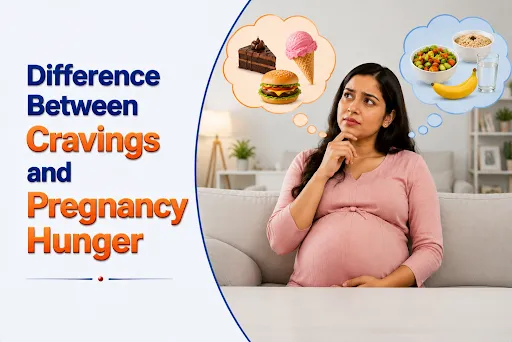
Understanding the difference between hunger during the maternity period and cravings can help you better respond to your body’s needs. While both can feel strong, they are not the same.
| Hunger | Cravings |
| Develops gradually | Often appears suddenly |
| Can be satisfied with different foods | Usually focuses on a specific food |
| Happens due to your body needing energy | May be linked with hormones, emotions or taste changes |
| Improves after a balanced meal | May continue even after eating |
For example, if you feel hungry and can eat dal, roti, fruit or vegetables, it is likely physical hunger. But if you suddenly want only chocolate or spicy food, it may be a craving.
However, unusual cravings, such as eating non-food items like clay or ice, may sometimes indicate nutritional concerns. You can learn more about pregnancy cravings and nutritional deficiencies.
When Is Hunger a Sign of Something Else?
Speak with your doctor if you experience:
- Excessive thirst
- Frequent urination
- Sudden unexplained weight loss
- Severe tiredness
- Blurred vision
- Dizziness or weakness
Constant hunger alone does not mean you have gestational diabetes. However, gestational diabetes may not always show clear symptoms, which is why routine glucose screening during pregnancy is important.
How to Manage Hunger During Pregnancy the Healthy Way?
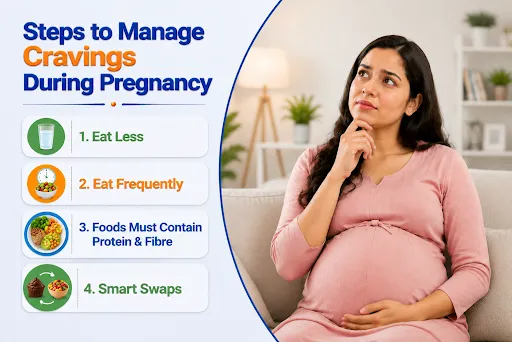
1) Eat Small, Frequent Meals
If you experience frequent hunger pangs during pregnancy, try:
- Three balanced meals
- Two to three healthy snacks
- Regular meal timings
- Smaller portions if large meals feel uncomfortable
2) Prioritise Protein and Fibre-Rich Foods
A balanced pregnancy diet can include:
| Nutrient | Indian Food Sources |
| Protein | Dal, paneer, curd, eggs, fish, chicken, soy, chana |
| Fibre | Vegetables, fruits, oats, whole grains, millets |
| Healthy fats | Nuts, seeds, ghee, cooking oils |
Simple meal combinations include:
- Roti + dal + sabzi + curd
- Rice + fish + vegetables
- Vegetable poha + peanuts + curd
- Daliya with milk and nuts
- Fruit with nuts or yoghurt
- Chana chaat with vegetables
3) Stay Hydrated
Keep sipping water throughout the day, especially during warmer months. Staying hydrated also supports digestion and may help reduce constipation, which is common during maternity. Avoid sugary drinks; choose:
- Water
- Coconut water
- Buttermilk
- Homemade lemon water (without excess sugar)
4) Smart Snack Swaps
When hunger strikes between meals, choosing the right snack can make a big difference.
| Instead of | Try |
| Biscuits with tea | Roasted chana or nuts |
| Chips | Makhana or homemade snacks |
| Sugary drinks | Coconut water or whole fruit |
| Sweets alone | Fruit with nuts or curd |
| Packaged snacks | Homemade chilla or sandwiches |
A healthy pregnancy diet is not about avoiding every favourite food. It is about creating balance.
You can explore a personalised postpartum weight-loss diet plan or personalised diet packages in Kolkata for long-term support.
When Should You Talk to a Dietitian About Pregnancy Hunger?
A certified dietitian specialising in nutritional gynaecology can help when you:
- Feel hungry despite eating regular meals
- Are confused about pregnancy diet
- Have gestational diabetes
- Have PCOS or thyroid concerns
- Are struggling with healthy pregnancy weight gain
- Need trimester-specific nutrition guidance
Pregnancy Hunger Is Normal: Focus on Nourishment, Not Restriction
Pregnancy hunger is your body’s way of signalling changing nutritional needs. You don’t need to consume food twice. You need a personalised pregnancy diet plan based on your health condition, food preferences, lifestyle and trimester needs.
If you are also looking for guidance regarding the right maternity nutrition, consult Uma Bajoria, an experienced dietitian in Kolkata.
Book now!
People Also Ask For
1) Is it normal to be extremely hungry in early pregnancy?
Yes, increased hunger can happen during early pregnancy due to hormonal changes. However, many women also experience reduced appetite because of nausea, vomiting and food aversions during the first trimester.
2) What is the reason behind being hungry again right after eating during pregnancy?
Feeling hungry soon after eating may happen when meals are low in protein, fibre or healthy fats. Long gaps between meals can also cause energy dips and increase hunger quickly.
3) Does hunger mean the baby needs more food?
Not necessarily. Hunger reflects your body’s changing nutritional needs, but it does not mean you need to eat unlimited amounts.
4) Can hunger during pregnancy be a sign of twins?
No. Hunger alone cannot indicate twins. Multiple pregnancies require medical monitoring, but appetite changes cannot predict the number of babies.
5) How much extra should expecting moms eat while pregnant?
Most women do not need extra calories during the first trimester. Calorie requirements usually increase gradually during the second and third trimesters, depending on individual health, activity levels and pregnancy needs.
6) Is constant hunger a sign of gestational diabetes?
Constant hunger alone does not confirm gestational diabetes. However, excessive thirst, frequent urination, unusual fatigue or abnormal glucose results should be discussed with your doctor.
7) Why do you feel hungry but nothing sounds appetising?
Hormonal changes, nausea and food aversions can make this common during pregnancy. Try small portions of simple foods that feel comfortable and provide nutrition.
8) Is loss of appetite during pregnancy also normal?
Yes. Loss of appetite is common, especially during the first trimester due to nausea, vomiting and increased sensitivity to smells. However, persistent issues need doctor consultation.