
Healthy eating on a budget doesn't require imported superfoods or costly diet products. Dal, rice, seasonal vegetables, eggs, and fish already cover every major nutrient group. The key is planning meals before you shop, prioritising seasonal produce, and skipping packaged "health" foods that mostly add cost, not nutrition.
Healthy eating often feels like an expensive approach. Supermarket shelves are stacked with imported grains, fancy snacks, and colourful packets that promise "detox," "slimming," or "heart-healthy" benefits. This creates the idea that only costly ingredients can improve health. But it's not the truth.
Most households run perfectly well on dal, rice, vegetables, eggs, fish, and simple home-cooked meals. The real secret to eating well isn't about money — it's about planning, prioritising, and knowing where nutrition hides in everyday meals.
This blog breaks down the practical ways to shop, cook, and eat healthier without stretching the monthly budget. The approach is simple, sustainable, and built for families, working professionals, students, and anyone who wants better health using everyday ingredients.
Building a Pocket-Friendly Grocery List: Where to Spend and Where to Save
Quick answer: Spend on affordable proteins like eggs, dal, and paneer; save by choosing seasonal vegetables over imported ones and skipping packaged "healthy" snacks.
A budget-friendly shopping list doesn't mean compromise. It simply means understanding what fuels the body best.
Spend Smart on Protein
There are plenty of economical protein options:
- Eggs
- Moong dal
- Masoor dal
- Roasted chana
- Groundnuts
- Paneer
These staples form the backbone of an affordable diet plan and are easy to include in daily meals. If you're managing a specific health condition, a budget-friendly diet plan can still be built around these same staples — see our Diet Packages for structured, affordable options.
Seasonal Produce: The Easiest Way to Save More and Eat Better
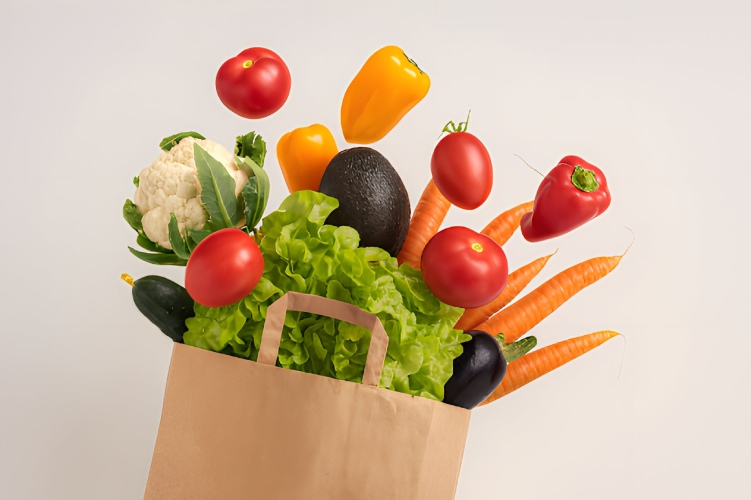
Seasonality means better taste, lower cost, and better nutrition — a win for budget grocery shopping. Vegetables and fruits available during a particular season are cheaper and fresher. Spinach, cabbage, beans, tomatoes, cucumbers, and gourds are abundant throughout most of the year.
Avoid Fancy Foods That Don’t Add Value
Packaged "healthy" items like protein cookies, fruit-flavoured oats, and detox or flavoured herbal teas carry more sodium, sugar, and preservatives than their price suggests. Skipping them frees up budget for essential items like dal, vegetables, and fruits.
The Dietitian’s Budget Plate Formula
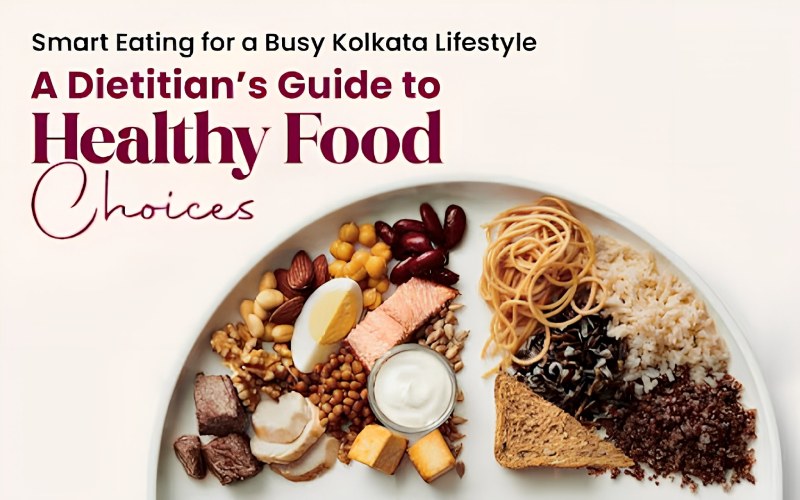
Quick answer: Fill half your plate with vegetables, a quarter with protein (dal, fish, or eggs), and a quarter with rice or roti. This ratio keeps meals balanced, affordable, and easy to build around everyday home cooking.
This simple formula balances nutrients without any expensive ingredients.
The Plate Ratio That Keeps Meals Balanced and Affordable
A healthy plate doesn't require strict rules. Filling half the plate with vegetables automatically adds volume and fibre. A quarter portion of protein helps stabilise hunger, while a quarter of rice or roti provides steady energy. This is the simplest form of healthy meal planning.
A Formula That Fits Everyday Home-Cooked Meals
Home meals naturally fit this structure:
- Sabzi
- Dal, fish, or eggs
- Rice or roti
Keeps Hunger Stable Throughout the Day
Unbalanced plates lead to mid-day cravings and late-evening overeating. Adding more vegetables and protein prevents this cycle. Households who follow this pattern experience better appetite control at a lower cost. If cravings or gut discomfort are a recurring issue, this plate formula also supports better digestion alongside portion control.
| Category | Common Choice | Smarter, Budget-Friendly Swap | Why This Swap Helps |
|---|---|---|---|
| Smart Snacking Swaps | Chips, chocolate bars, biscuits | Roasted chana, fresh fruits, homemade puffed-rice mix, overnight oats | Higher protein, lower cost, better health; natural sweetness, zero preservatives; more fibre, lower sugar |
| Pocket-Friendly Drink Swaps | Packed juices, flavoured drinks, energy drinks | Coconut water, lemon water, plain water | Natural electrolytes, no added sugar; zero calories, zero chemicals, zero cost |
| Breakfast Swaps That Reduce Outside Eating | Bakery breakfast, street-side rolls, packaged cereals | Poha, upma, suji chilla, egg bhurji with roti | Light and fibre-rich; easy to cook, filling, low-cost; more protein, less oil |
Meal Planning on a Budget
Quick answer: Plan meals before you shop, prep basics in advance, and cut down on food delivery apps. These three habits prevent overbuying, reduce waste, and cut unplanned spending.
Plan Meals Before Shopping
Deciding meals in advance prevents overbuying and reduces weekly stress. A basic plan ensures that groceries don't spoil, and eating out becomes less frequent. This simple habit is a core part of healthy meal planning, supporting a more structured, budget-friendly diet.
Prep Basics to Save Time
Cut vegetables, soak dal, boil eggs, or prepare chutneys in advance. Prepping ingredients makes weekday cooking smoother and helps maintain healthy eating habits without depending on packaged shortcuts.
Reduce Dependence on Food Delivery Apps
Most households spend the maximum on unplanned takeaways. With a budget meal plan and ready ingredients, ordering food becomes an exception rather than the norm. This approach naturally supports affordable diet planning and healthier weekly routines. This kind of consistent, low-effort planning is also central to sustainable weight management — it's not about eliminating foods, just planning around them better.
Foods That Drain Your Budget Without Adding Real Nutrition
Quick answer: Imported "superfoods," diet snacks, and premium imported vegetables usually cost far more than local alternatives that offer the same or better nutrition.
| Category | What People Usually Buy | Why It's Not Worth It | Better, Budget-Friendly Alternative |
|---|---|---|---|
| Imported "Superfoods" | Chia seeds, quinoa, almond flour, avocados | High cost, similar nutrition to local foods, mostly marketing-driven | Sabudana, oats, dal, whole wheat, seasonal fruits |
| Diet Snacks & "Healthy" Packs | Sugar-free cookies, keto snacks, high-protein chips, diet namkeens | Hidden preservatives, artificial sweeteners, excess sodium, overpriced | Roasted chana, peanuts, makhana, puffed-rice mix |
| Packaged "Healthy" Breakfasts | Flavoured oats, ready mixes, instant bowls | Low fibre, added sugar, costly | Poha, dalia, suji upma, homemade oats |
| Fancy Drinks | Detox teas, packed juices, flavoured drinks | Expensive, high sugar, low real nutrition | Lemon water, coconut water, plain water |
| Premium Imported Vegetables | Broccoli, zucchini, avocado, lettuce | Expensive, not nutritionally superior to local produce | Bottle gourd, spinach, cabbage, beans |
Snacks, Tiffin & Eating Out — Staying Healthy Without Overspending
Affordable Lunchbox Ideas
Simple, nutritious lunchbox ideas include:
- Rice + egg curry
- Paneer bhurji + roti
- Vegetable poha
- Dalia or khichdi
These meals support steady energy and reduce cravings during work.
Enjoying Street Food With Balance
Street food doesn't have to be off-limits. Choosing fresh stalls, avoiding excess sauces, and opting for roasted options helps maintain balance. These small choices add up over time. Dt. Uma Bajoria, a dietitian in Kolkata, encourages following this simple, budget-friendly lifestyle routine.
How Dietitian Uma Bajoria Builds a Budget Diet
Long-Term Habits Over Temporary Diets
Consistent routines like balanced plates, simple snacks, and smart shopping support health better than strict diets.
Local Foods Take Priority
Foods grown and sold locally are fresher, more affordable, and easier for the body to adapt to. This forms the base of a budget-friendly diet plan.
Small Changes Show Big Results
Adding one fruit a day, cooking at home more often, and choosing seasonal vegetables gradually transform health without straining the budget. This philosophy is the same one behind her personalised diet plans — small, sustainable shifts rather than rigid rules.
Eating Healthy Isn’t About Money, It’s About Mindset
Healthy eating doesn't require expensive substitutes or superfoods. Most kitchens already contain everything needed — dal, rice, vegetables, eggs, fish, and fruits. A little planning, smart shopping, and practical choices turn these into balanced, nutritious meals.
Every household can build better health with local ingredients, reasonable portions, and sustainable routines. When the right structure is followed, wellness becomes simple, enjoyable, and affordable.
For a personalised, pocket-friendly diet that fits your lifestyle, book a consultation with Dt. Uma Bajoria, a dietitian in Kolkata (online consultations available from anywhere).
Call 9830614147 to book an appointment.
Frequently Asked Questions (FAQs)
How can someone eat healthy on a low budget?
By choosing seasonal vegetables, dal, eggs, and affordable proteins, shopping from local markets, and avoiding packaged snacks.
What are the cheapest high-protein foods available?
Eggs, moong dal, masoor dal, roasted chana, milk, curd, and groundnuts.
Which vegetables remain affordable across seasons?
Bottle gourd, spinach, cabbage, beans, cucumbers, carrots, and other leafy greens.
Is weight loss possible on a tight budget?
Yes. Balanced meals of dal, sabzi, rice/roti, eggs, and fruits support weight loss without expensive foods.
What are some budget-friendly healthy snacks?
Roasted chana, peanuts, homemade popcorn, fruits, boiled eggs, and puffed-rice mix.